
How to Build a Movement Practice You’ll Actually Keep
By Ohad Moser Ohad Moser on July 3, 2026
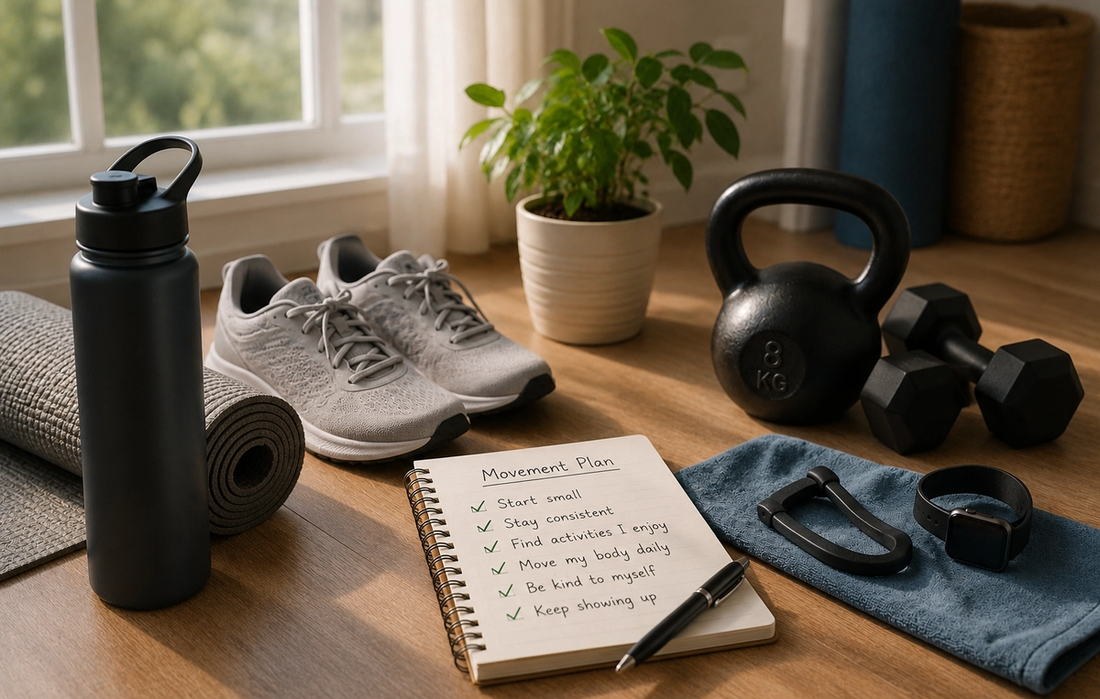
Many people begin exercising with the best of intentions.
A new month, a birthday, or the start of a new year often feels like the perfect opportunity to commit to a healthier lifestyle. Motivated by that excitement, it’s tempting to buy a gym membership, follow an intense workout plan, or promise yourself you’ll exercise every single day.
Unfortunately, motivation doesn’t usually last forever.
After a few weeks, work becomes busier, routines change, energy levels drop, and those ambitious plans begin to feel difficult to maintain. The problem isn’t a lack of discipline. More often, it’s that the routine was never designed to fit real life.
The people who stay active for years rarely rely on motivation alone. They build movement into their lives in ways that feel enjoyable, realistic, and sustainable.
Stop thinking of movement as punishment
One of the biggest barriers to exercising consistently is the belief that it has to be difficult to count.
Many people associate movement with burning calories, making up for unhealthy meals, or pushing themselves until they’re exhausted. It’s no surprise that these routines become hard to maintain.
Movement doesn’t have to be punishment.
It can be something you genuinely enjoy—walking through your neighbourhood, dancing, cycling, swimming, hiking, gardening, yoga, playing football with friends, or chasing your children around the park.
When movement becomes something you look forward to rather than something you dread, consistency becomes much easier.
Choose something that fits your lifestyle
The best exercise routine isn’t necessarily the most effective one on paper.
It’s the one you’ll actually do.
If you dislike gyms, forcing yourself to go five days a week probably isn’t realistic. If your schedule is unpredictable, hour-long workouts may be difficult to maintain. If you enjoy being outdoors, a daily walk or weekend hike might suit you much better.
Rather than asking which workout burns the most calories, ask which type of movement fits naturally into your life.
Sustainable habits always beat perfect plans.
Start smaller than you think you need to
Many people quit because they try to do too much too soon.
Jumping from no exercise to intense daily workouts often leads to soreness, frustration, or burnout.
Instead, begin with something almost impossible to fail.
Ten minutes of walking. A short stretching session. A beginner yoga class once a week. Cycling around your neighbourhood on weekends.
These habits may seem too small to matter, but they create consistency.
Once movement becomes part of your routine, increasing the duration or intensity becomes much easier.
Focus on how movement makes you feel
Weight loss and physical appearance are common reasons people begin exercising.
While these goals are perfectly valid, they’re often slow to change.
The benefits you notice much sooner are usually how movement makes you feel.
Many people sleep better after regular exercise. They have more energy, think more clearly, feel less stressed, and notice improvements in their mood long before seeing dramatic physical changes.
Paying attention to those immediate rewards makes it easier to continue when motivation fades.
Movement supports your mind as much as your body.
Remove unnecessary obstacles
Sometimes the biggest challenge isn’t exercising itself.
It’s everything that comes before it.
If preparing for a workout feels complicated, you’re less likely to begin. Simple adjustments can make movement much easier. Leave your trainers by the door, keep workout clothes ready, choose a gym close to home, or schedule walks directly after work while you’re already outside.
Reducing friction makes healthy habits more automatic.
The easier it is to begin, the more likely you are to continue.
Accept that some weeks will look different
Life isn’t perfectly consistent.
There will be holidays, busy work periods, illness, family commitments, and unexpected interruptions that change your routine.
Many people see these moments as failures and stop exercising altogether.
People who maintain long-term movement habits take a different approach.
If they can’t complete their usual workout, they simply do what they can. A short walk replaces a gym session. Gentle stretching replaces an intense workout.
Doing something is almost always better than doing nothing.
Consistency isn’t about perfection.
It’s about returning to the habit again and again.
Find enjoyment instead of obligation
The most sustainable movement routines usually include an element of enjoyment.
Some people love running. Others hate it but happily spend hours swimming, dancing, climbing, or playing tennis.
There’s no single correct form of exercise.
If you genuinely enjoy an activity, you’re far more likely to keep doing it long after the initial excitement disappears.
Don’t be afraid to experiment until you discover what feels right for you.
Movement should improve your life—not become another source of stress.
Think long term
It’s easy to approach exercise as a short-term project.
A few weeks before a holiday, a wedding, or another important event often motivates people to become active. Once the event passes, so does the routine.
Instead, ask yourself a different question.
Could you imagine doing this type of movement five years from now?
If the answer is yes, you’ve probably found something sustainable.
Health isn’t built through a few intense months.
It’s built through years of consistent habits.
The best movement practice is the one you keep
There’s no perfect workout that works for everyone.
Some people thrive in gyms, while others prefer long walks, dance classes, cycling, yoga, or team sports. The important thing isn’t choosing the most popular form of exercise.
It’s choosing one that fits your life well enough to become part of it.
A movement practice that lasts isn’t built on motivation, guilt, or unrealistic expectations.
It’s built on enjoyment, flexibility, and consistency.
In the end, the goal isn’t simply to exercise more.
It’s to create a healthier relationship with movement—one that supports your body, clears your mind, and becomes something you naturally return to for years to come.








MORE IN TRENDING
How to Find Your Personal Style in 6 Steps
Sam Bitton .

How to Spot a Beauty Product That’s Actually Worth the Hype
Adi Liad .

The Privacy Settings Worth Changing on Every Device You Own
Roy Kaden Roi .

How to Spend Less Time on Your Phone Without Going Off-Grid
Roy Kaden Roi .

The Digital Habits of People Who Seem Calm Online
Jade Josef .