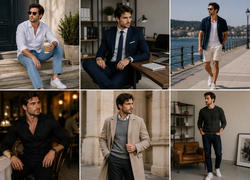
The Hidden Cost of Always Trying to Be Trendy
By Rebecca Mandell RebbecaMotang on July 3, 2026
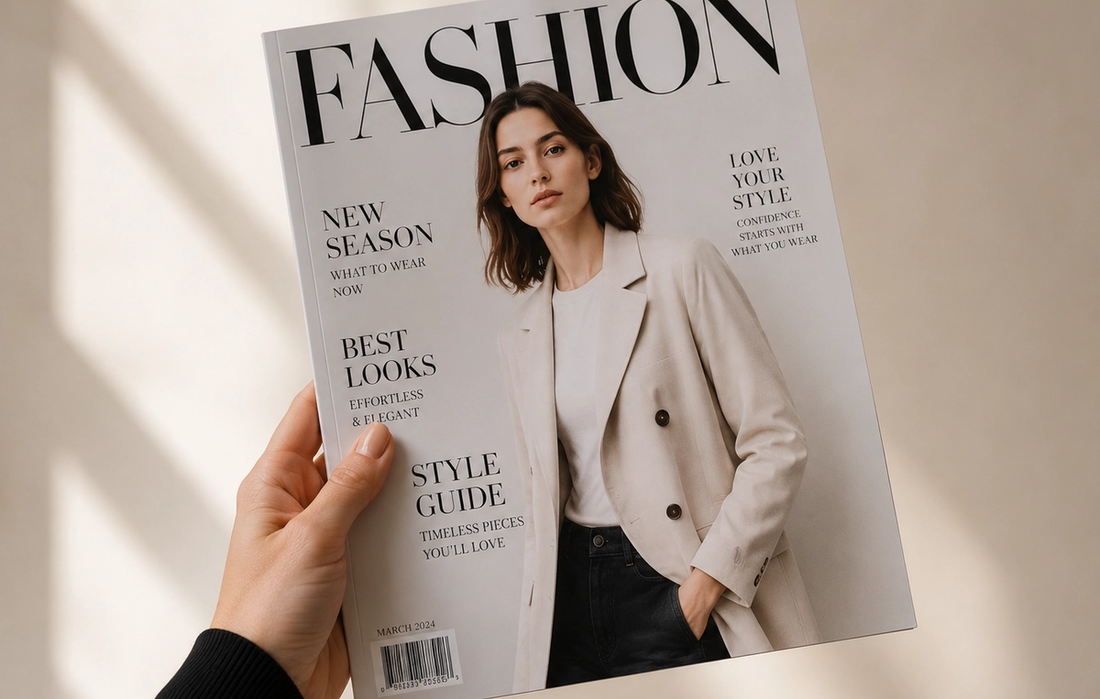
Keeping up with trends has never been easier—or more exhausting.
Every day, social media introduces a new fashion aesthetic, skincare routine, fitness challenge, home décor style, or lifestyle habit that’s suddenly being described as essential. What feels fresh one month can seem outdated the next, creating the impression that staying current requires constant change.
There’s nothing wrong with enjoying trends. They can be fun, creative, and inspiring. They encourage experimentation and often introduce new ideas that genuinely improve the way we live.
The problem begins when chasing trends stops being enjoyable and starts feeling like an obligation.
When we constantly worry about wearing the latest styles, owning the newest products, or keeping up with whatever is currently popular, we may end up spending far more than money. We also risk losing confidence in our own preferences and becoming disconnected from what genuinely suits us.
Trends are designed to change
Fashion and lifestyle trends don’t stay popular forever.
In fact, the constant arrival of new trends is part of what keeps many industries moving. New collections, seasonal colours, viral products, and limited editions encourage people to keep buying because there’s always something new to discover.
This isn’t necessarily a bad thing.
Trends bring excitement and creativity, and many of them influence fashion and design in positive ways. However, it’s worth remembering that they are temporary by nature.
Trying to keep up with every trend means chasing something that’s designed to keep moving.
Constant shopping rarely creates lasting satisfaction
Buying something new often feels exciting.
There’s a brief sense of novelty, anticipation, and confidence that comes with wearing a new outfit or trying a popular beauty product. But that feeling usually fades much faster than we expect.
Soon another trend appears, making the previous purchase seem less exciting.
This cycle can quietly encourage unnecessary spending because satisfaction becomes tied to buying rather than appreciating what we already own.
Over time, wardrobes become fuller while feeling strangely less satisfying.
Trends can make personal style disappear
One of the biggest hidden costs of always following trends is that personal style becomes harder to recognize.
Instead of asking, Do I actually like this?, we begin asking, Is this what’s popular right now?
As a result, wardrobes often become collections of temporary trends rather than genuine reflections of personality.
People with strong personal style usually aren’t wearing every trend.
Instead, they choose the ones that genuinely fit their lifestyle, body, and preferences while confidently ignoring the rest.
Style becomes much more authentic when it reflects who you are rather than what everyone else is wearing.
Comparison becomes a daily habit
Social media has accelerated the speed at which trends spread.
Because we’re constantly exposed to influencers, celebrities, and carefully styled content, it’s easy to feel as though we’re always one step behind. Someone always seems to have the newest trainers, the latest handbag, or the trendiest hairstyle.
This creates an endless cycle of comparison.
No matter how much you buy, there will always be another trend waiting around the corner.
Learning to step away from that cycle often brings far more peace than trying to keep up with it.
Fast trends often encourage waste
The rapid pace of changing trends has also influenced how people shop.
Many clothes are purchased for only a handful of wears before being forgotten, donated, or replaced. Beauty products are bought because they’re viral, only to sit unused once the excitement fades.
This doesn’t only affect personal budgets.
It also contributes to unnecessary waste and encourages a culture of constant replacement rather than thoughtful ownership.
Buying fewer things that genuinely suit your lifestyle often benefits both your finances and the environment.
Confidence doesn’t come from trends
It’s easy to assume that wearing what’s currently fashionable will automatically make us feel more confident.
Sometimes it does.
More often, however, confidence comes from wearing clothes that fit well, reflect your personality, and make you feel comfortable. An outfit that’s perfectly on trend but doesn’t feel like you is unlikely to create lasting confidence.
The people who appear most stylish often look comfortable in what they’re wearing.
That comfort usually comes from knowing themselves—not from constantly following fashion.
Build a wardrobe that lasts
Instead of replacing your wardrobe every season, focus on creating a strong foundation.
Classic jeans, quality knitwear, tailored trousers, comfortable shoes, versatile jackets, and timeless shirts remain useful regardless of changing trends. From there, you can introduce a few seasonal pieces if they genuinely appeal to you.
This approach allows you to enjoy fashion without feeling controlled by it.
Trends become additions rather than requirements.
Enjoy trends without depending on them
There’s no reason to avoid trends completely.
Trying a new colour, experimenting with different accessories, or adding a fashionable piece to your wardrobe can be enjoyable and refreshing.
The difference lies in intention.
Choose trends because they excite you—not because you’re afraid of falling behind. If a trend genuinely fits your style, it may become a long-term favourite. If not, it’s perfectly acceptable to let it pass.
Not every trend is meant for every person.
The best style isn’t always the newest
Fashion has always evolved, and it always will.
New ideas, fresh designs, and changing tastes are part of what makes style interesting. But constantly chasing every trend can become exhausting, expensive, and surprisingly limiting.
The people with the strongest sense of style often aren’t the ones buying the most.
They’re the ones who understand what suits them, invest in quality, and make thoughtful choices instead of impulsive ones.
In the end, the hidden cost of always trying to be trendy isn’t just financial.
It’s the risk of losing sight of your own taste in a world that’s constantly telling you what to like next. True style begins when you stop asking what’s fashionable and start asking what genuinely feels like you.
MORE IN TRENDING
How to Find Your Personal Style in 6 Steps
Sam Bitton .
How to Spot a Beauty Product That’s Actually Worth the Hype
Adi Liad .
The Privacy Settings Worth Changing on Every Device You Own
Roy Kaden Roi .
How to Spend Less Time on Your Phone Without Going Off-Grid
Roy Kaden Roi .
The Digital Habits of People Who Seem Calm Online
Jade Josef .